
Case Study
Dunkin Study
At a glance
- Client
- Dunkin' (academic concept project — not a client engagement)
- Project Type
- New Product Launch — Integrated Marketing Campaign
- Role
- Sole researcher, strategist & creative director
- Tools Used
- Adobe Creative Suite, Canva
INTEGRATED MARKETING CAMPAIGN | MASTER'S CAPSTONE
Dunkin' is well known for convenient coffee at an affordable price, but its ready-to-drink (RTD) lineup lacked an option for consumers looking for a lower-calorie indulgence. This project proposed a new Low-Calorie Mocha Ready-to-Drink Coffee designed to attract younger, health-conscious consumers while expanding Dunkin's presence in the rapidly growing RTD coffee market. The project combined consumer research, product positioning, financial forecasting, branding, and an integrated marketing campaign to create a launch strategy that aligned with Dunkin's brand while appealing to changing consumer preferences.
Skills demonstrated
- Marketing Strategy
- Brand Positioning
- Consumer Research
- Competitive Analysis
- Integrated Marketing Communications
- Social Media Marketing
- Campaign Planning
- Product Marketing
- Financial Analysis
- Creative Direction
- Adobe Creative Suite
- Canva
- Presentation Design
The challenge
Consumers increasingly want products that balance convenience, taste, and healthier nutrition. While premium coffee brands offered lighter options, Dunkin had an opportunity to introduce a lower-calorie mocha beverage that maintained its approachable, everyday brand personality.
The challenge was to create a campaign that positioned the drink as an indulgent coffee without the guilt while differentiating it from competitors in a crowded RTD market.
Objectives
- Launch a new low-calorie RTD coffee product
- Increase awareness among Gen Z and Millennials
- Position Dunkin as both convenient and health-conscious
- Expand Dunkin's presence in the RTD beverage category
- Create a scalable international marketing strategy
Target audience
Primary audience
Health-conscious consumers ages 18–34 who enjoy coffee but seek lower-calorie alternatives without sacrificing flavor.
- Busy professionals
- College students
- Fitness-minded consumers
- On-the-go lifestyles
- Heavy social media users
- Value convenience and affordability
My role
For this graduate capstone project, I developed every aspect of the campaign, including:
- Consumer research
- Market analysis
- Competitive analysis
- Product positioning
- Pricing strategy
- Financial projections
- Integrated marketing campaign
- Social media strategy
- Launch plan
- Creative direction
- Performance metrics
Strategy
Rich mocha flavor. Fewer calories. Same Dunkin' convenience.
Rather than marketing the beverage as a “diet coffee,” I positioned it as an everyday indulgence. The campaign focused on three core messages:
- Better-for-you choice
- Convenient grab-and-go coffee
- Affordable premium flavor
This positioning allowed Dunkin to compete with premium RTD brands while remaining accessible to its core audience.
Creative direction
The campaign emphasized:
- Bright Dunkin orange and pink branding
- Clean product photography
- Active lifestyle imagery
- Modern typography
- Bold calls-to-action
- Mobile-first content
The overall creative balanced Dunkin's energetic personality with a cleaner, wellness-focused aesthetic.
Marketing campaign
Social media
- TikTok
- YouTube Shorts
- Influencer collaborations
- UGC challenges
Digital marketing
- Paid social advertising
- Google Search
- Display advertising
- Email marketing
- Mobile app promotions
Promotions
- Product sampling
- Retail displays
- Limited-time launch offers
- Loyalty rewards through the Dunkin app
Campaign spotlight
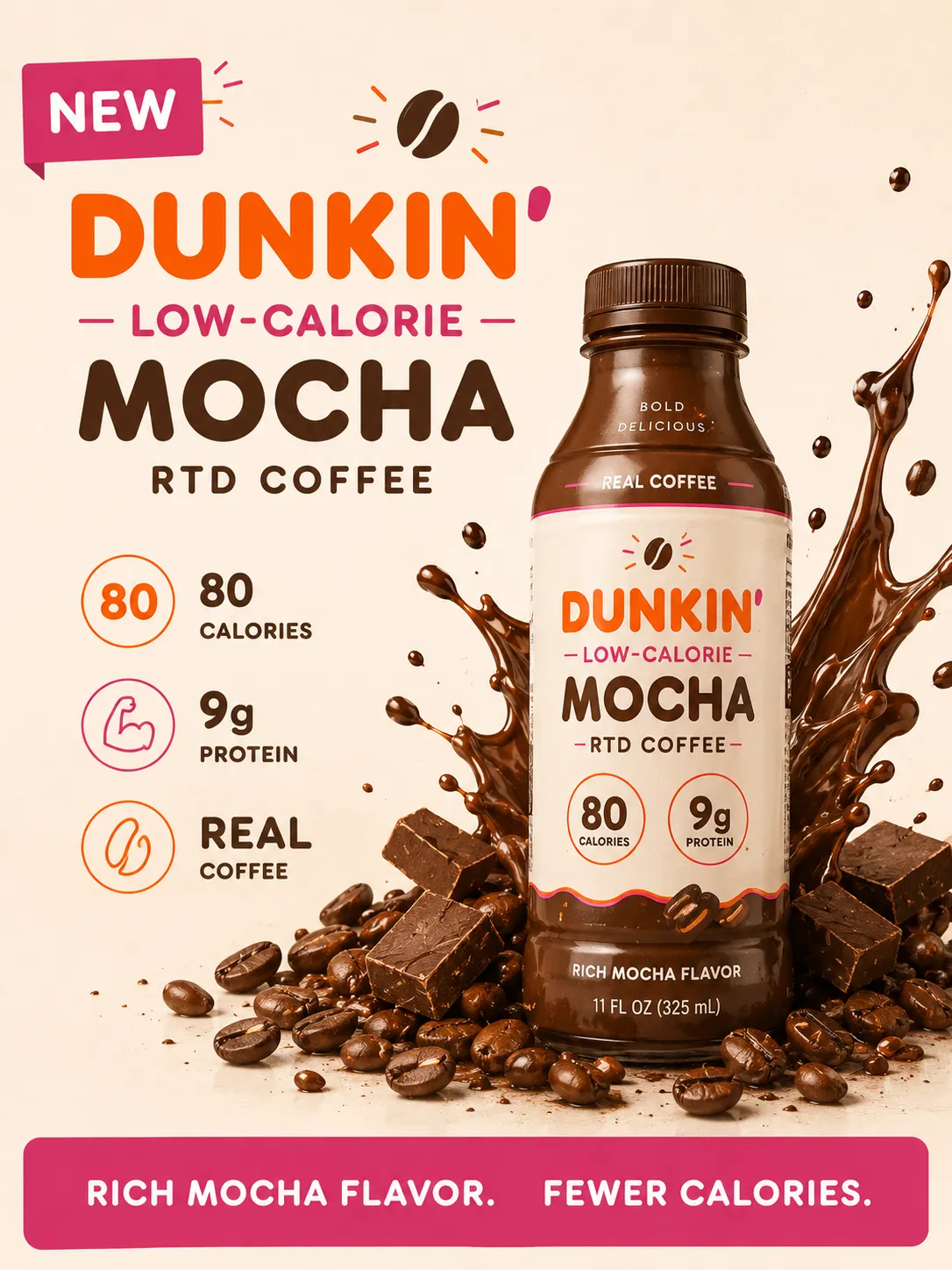
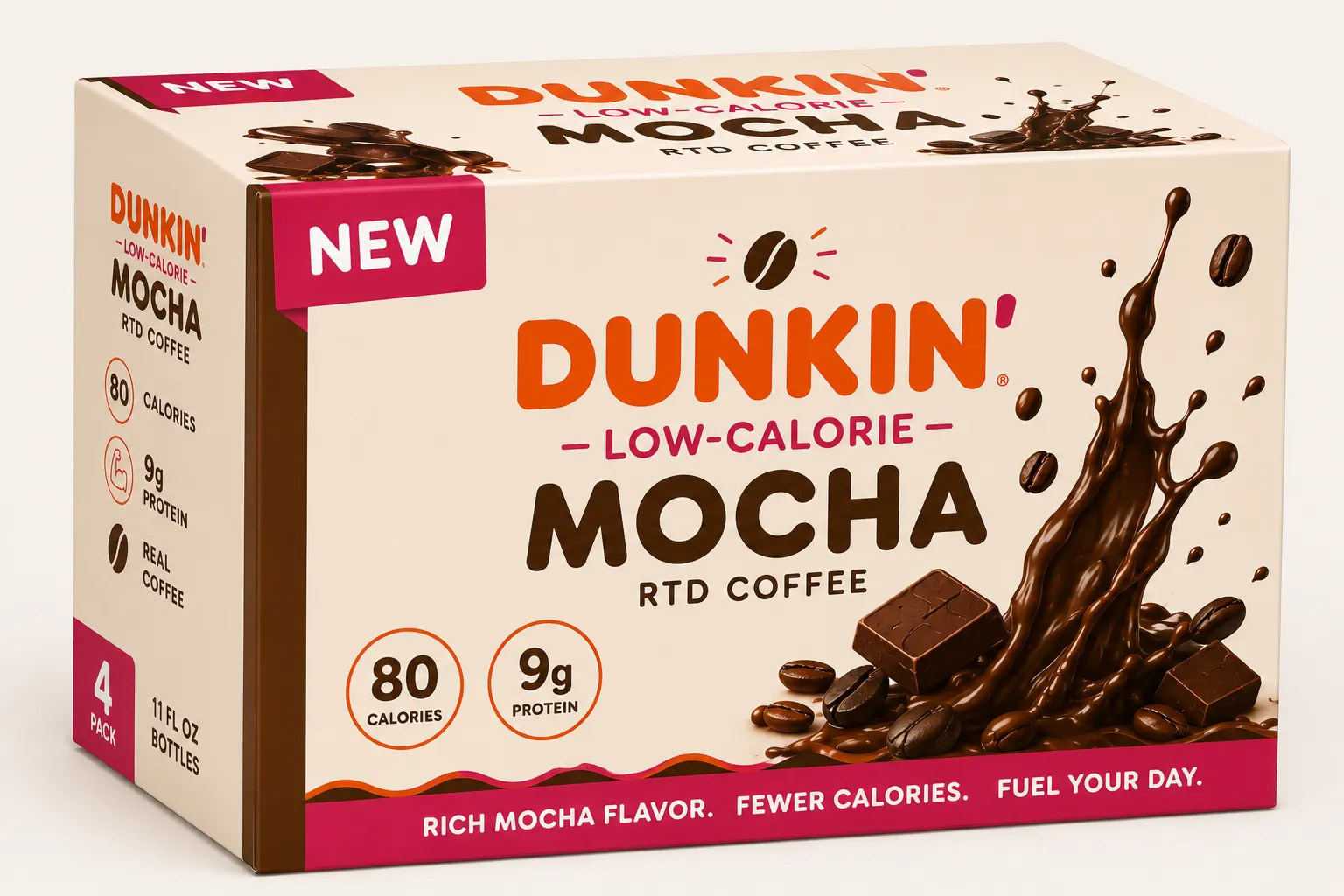
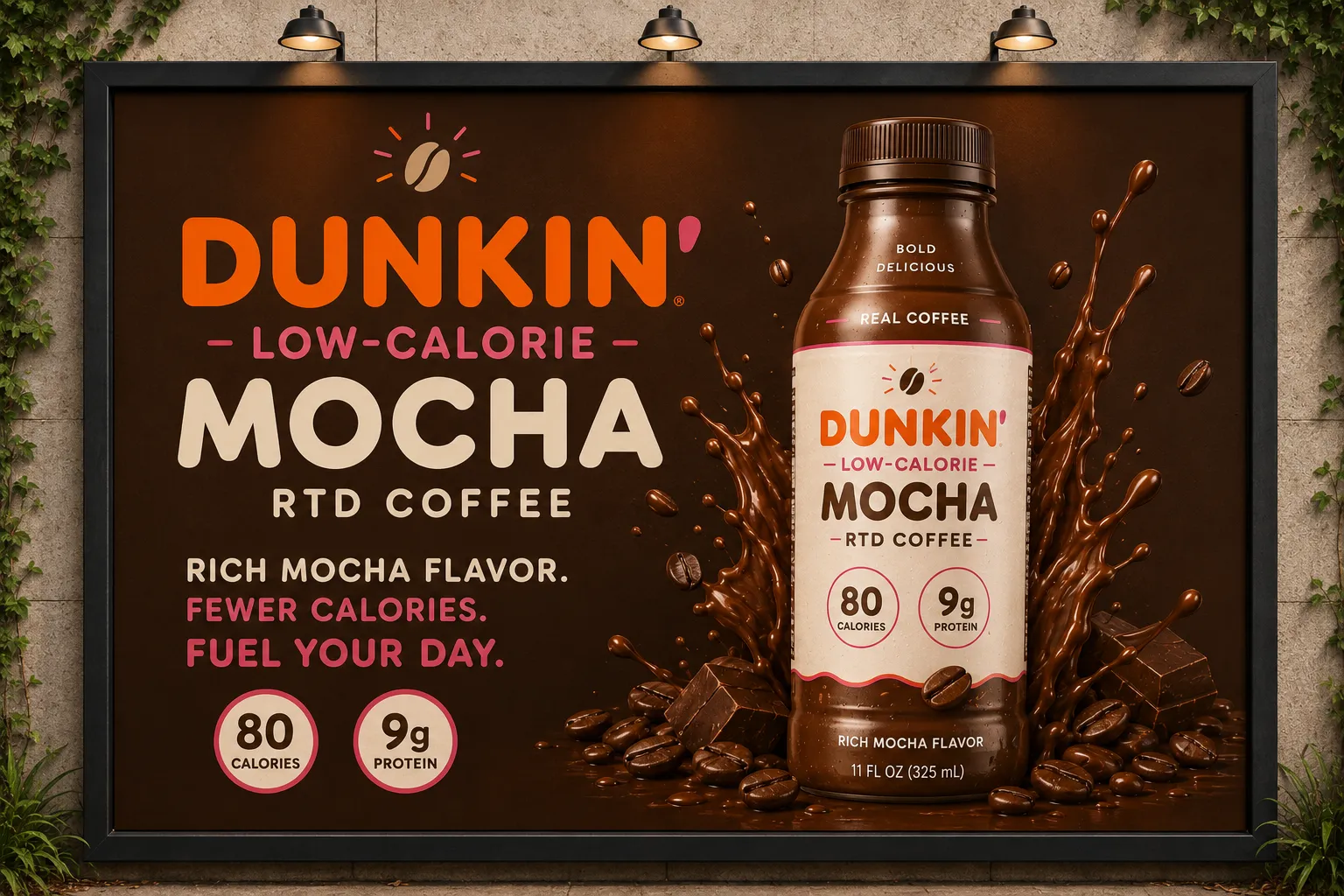
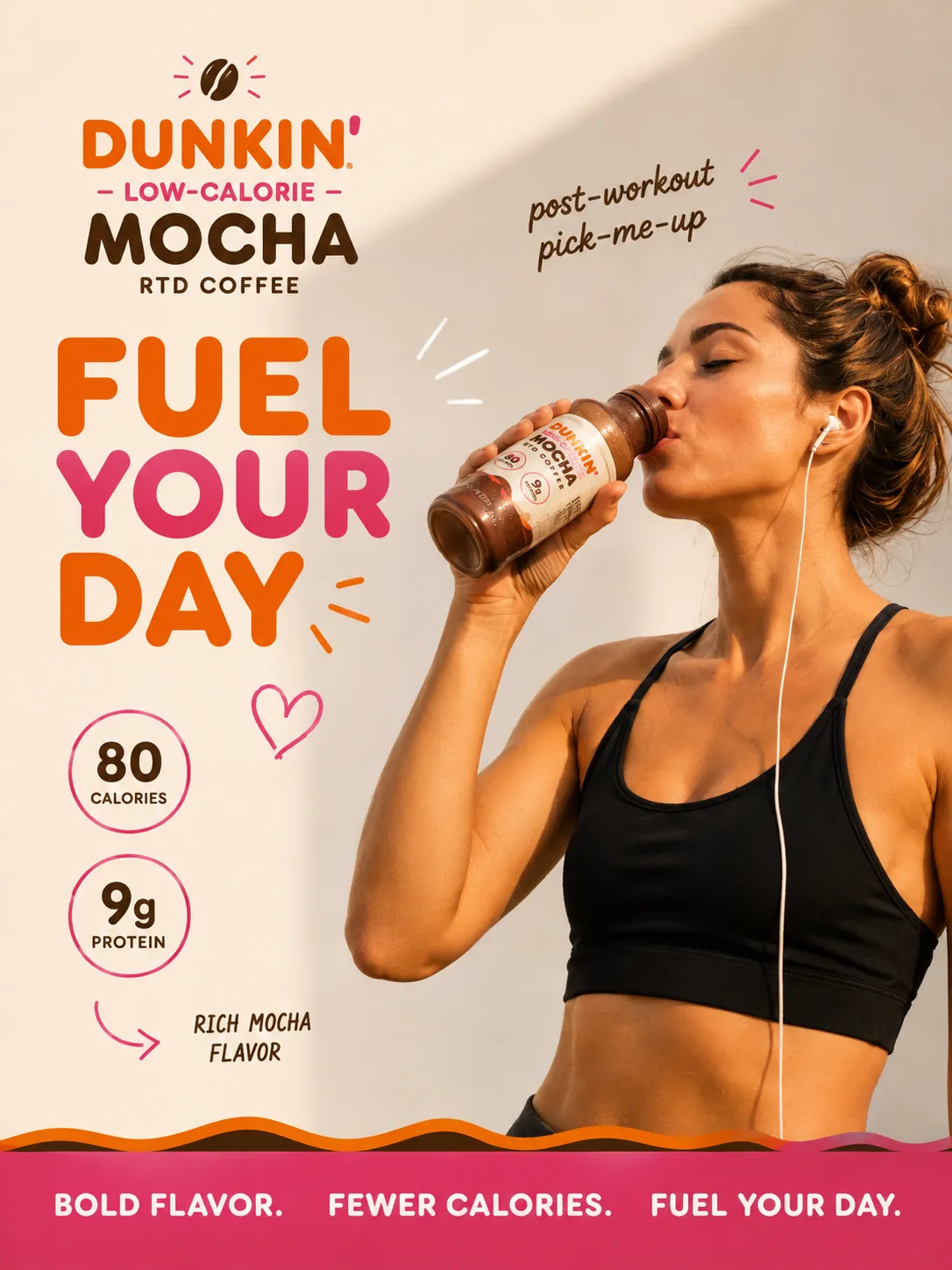
Slide 1 of 6
Financial highlights
Proposed projections — not achieved resultsThe proposed pricing strategy positioned the beverage competitively within the RTD coffee market.
- Retail Price
- $2.99
- Wholesale Price
- $1.95
- Estimated Year 1 Sales
- 65M units
- Marketing Investment
- $18M
- Break-even Point
- 32.7M units
These projections demonstrated the product's long-term growth potential while supporting a realistic launch strategy.
Success metrics
The campaign measured success through:
- Product sales
- Brand awareness
- Social engagement
- Influencer reach
- Website traffic
- App downloads
- Repeat purchases
- ROI
- Market share growth
Results
Academic capstone — proposed campaign, not a live launchAlthough developed as a graduate capstone project, the campaign demonstrated how research-driven strategy could support a realistic product launch for a nationally recognized brand. The final deliverables presented a cohesive launch plan that integrated consumer insights, financial forecasting, creative design, and digital marketing into one unified campaign.